Chronological by design.
We start with how people discovered the idea, what they got wrong, and what changed next.
Real kids. Real tools. Real material. Recreation NOW is a small, handmade science club built around curiosity, deep dives and physical work — especially for kids who learn best by doing.
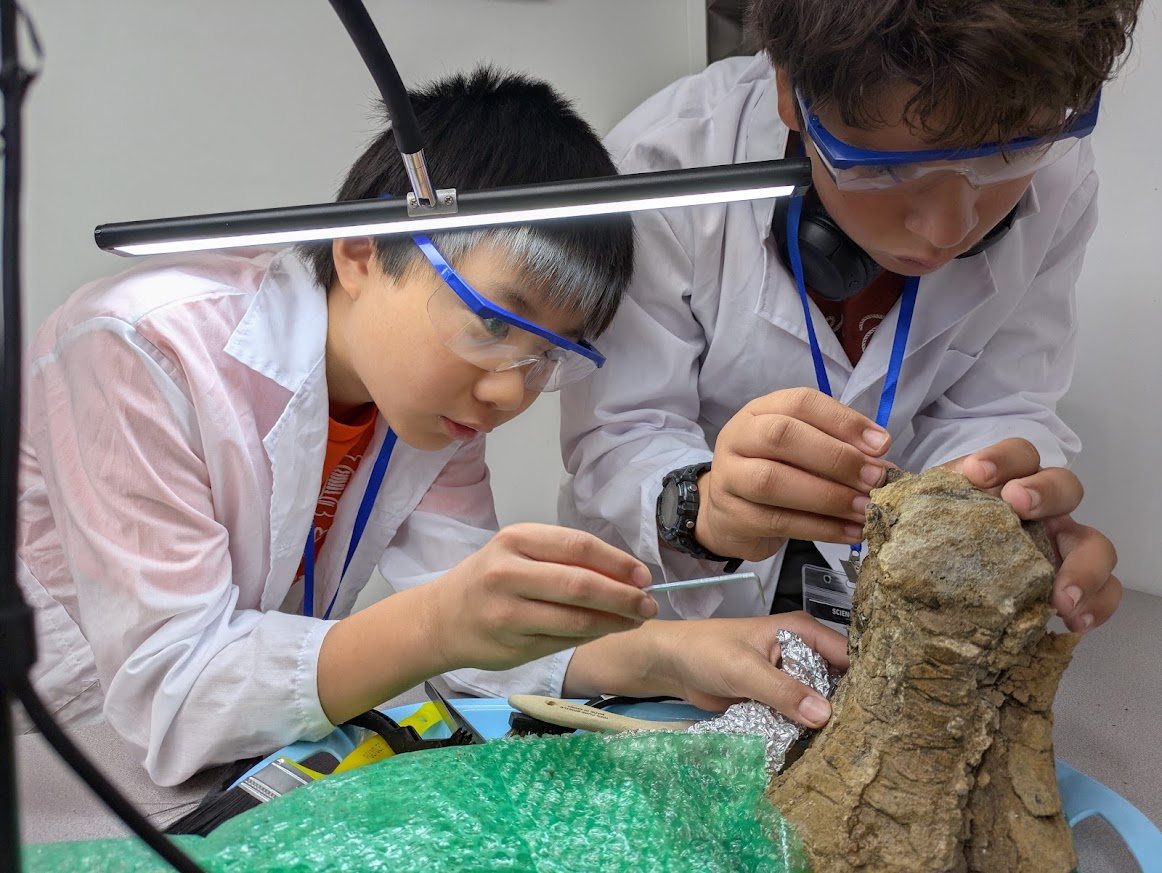 Real fossil preparation
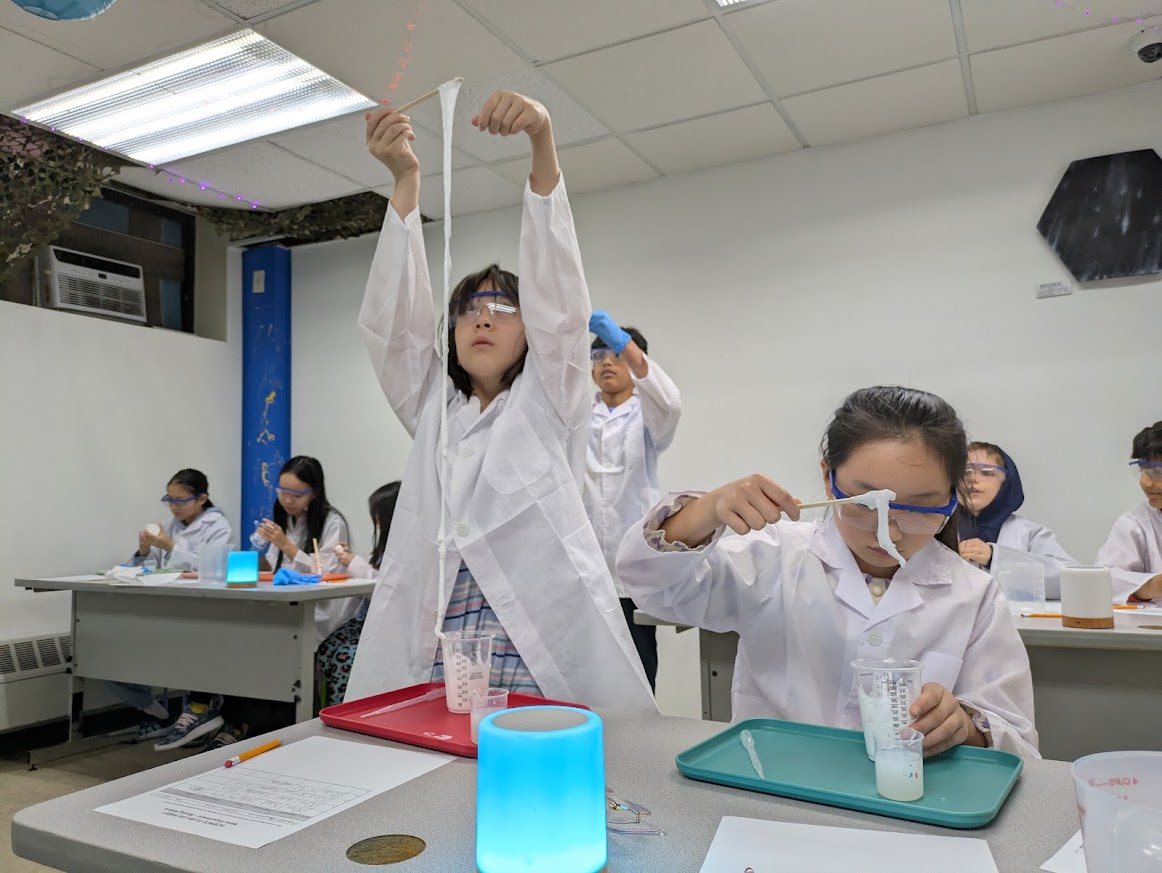 Chemistry you can hold
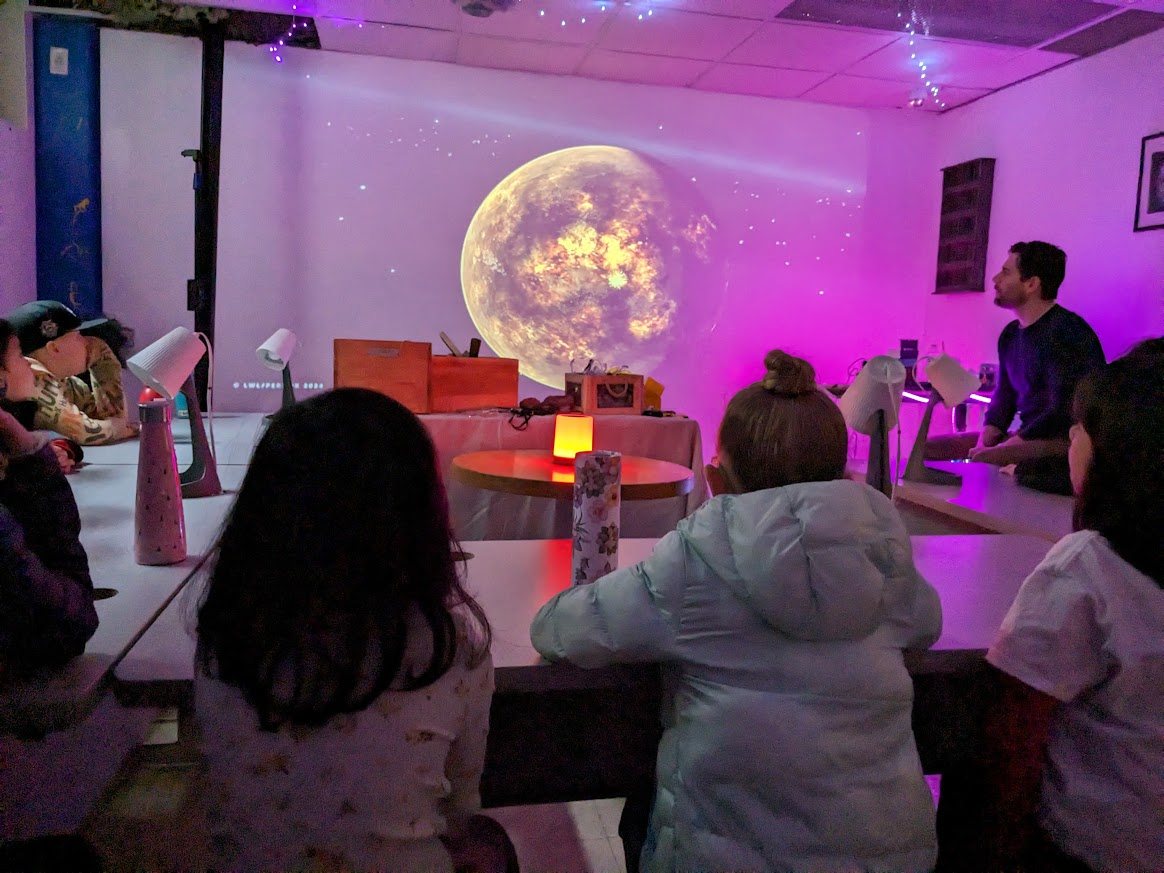 Enter the subject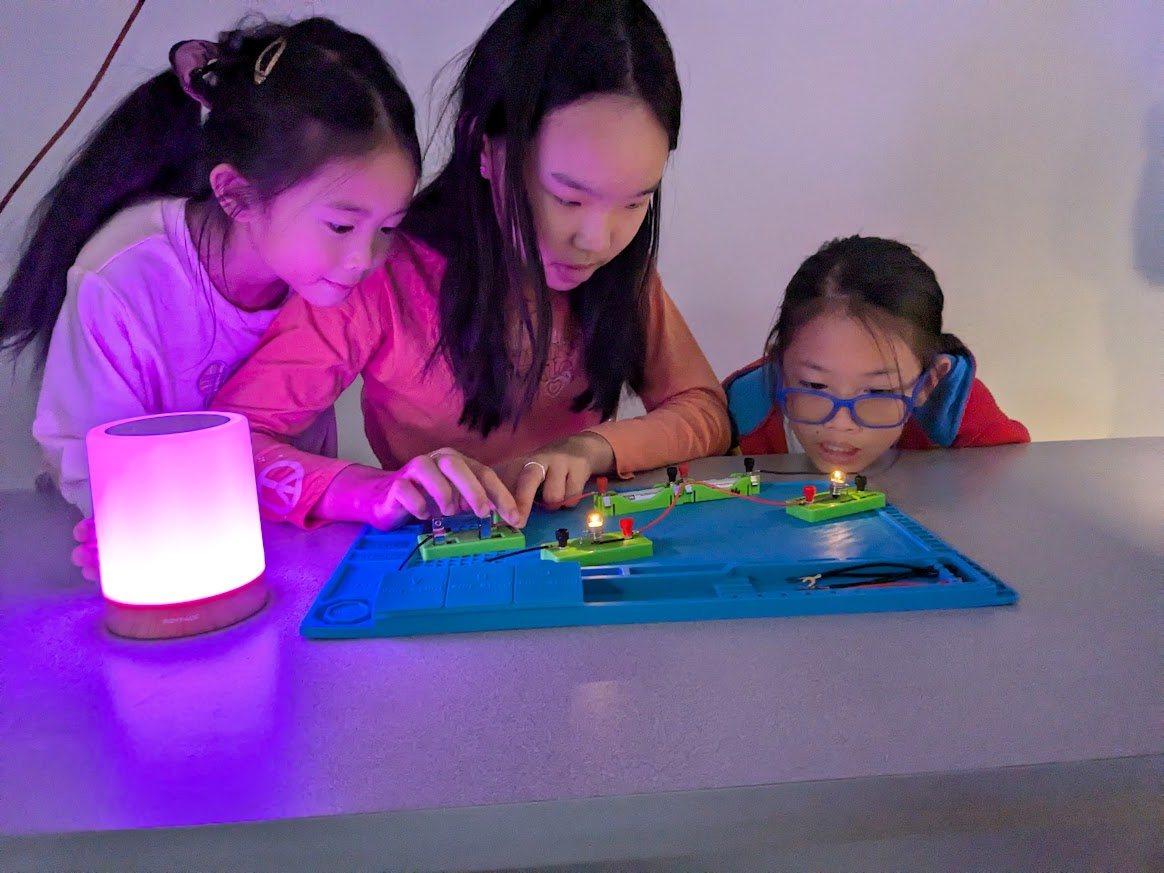
Every active Sunday has two Science Club classes. Fall 2026 begins with Chemistry 102.
Some children are at their best when they can move, obsess over a question, handle the object, take something apart, go down a useful rabbit hole and come back with a better idea. The class is built around that.
Welcoming to any child who learns best by doing. Intensity, movement, unusual questions, deep focus and mistakes are not treated like problems to erase — they are things we can work with.
We start with how people discovered the idea, what they got wrong, and what changed next.
Build it, wire it, restore it, measure it, film it, prepare it or take it apart.
Real fossils, real mechanisms, real tools and experiments with enough substance to matter.
Enough structure to move forward, with enough room to follow the kid who sees something interesting.
Failure is data. We slow down, diagnose what happened and try again.
No canned kit-of-the-week. Each semester becomes its own world, built around a big subject.
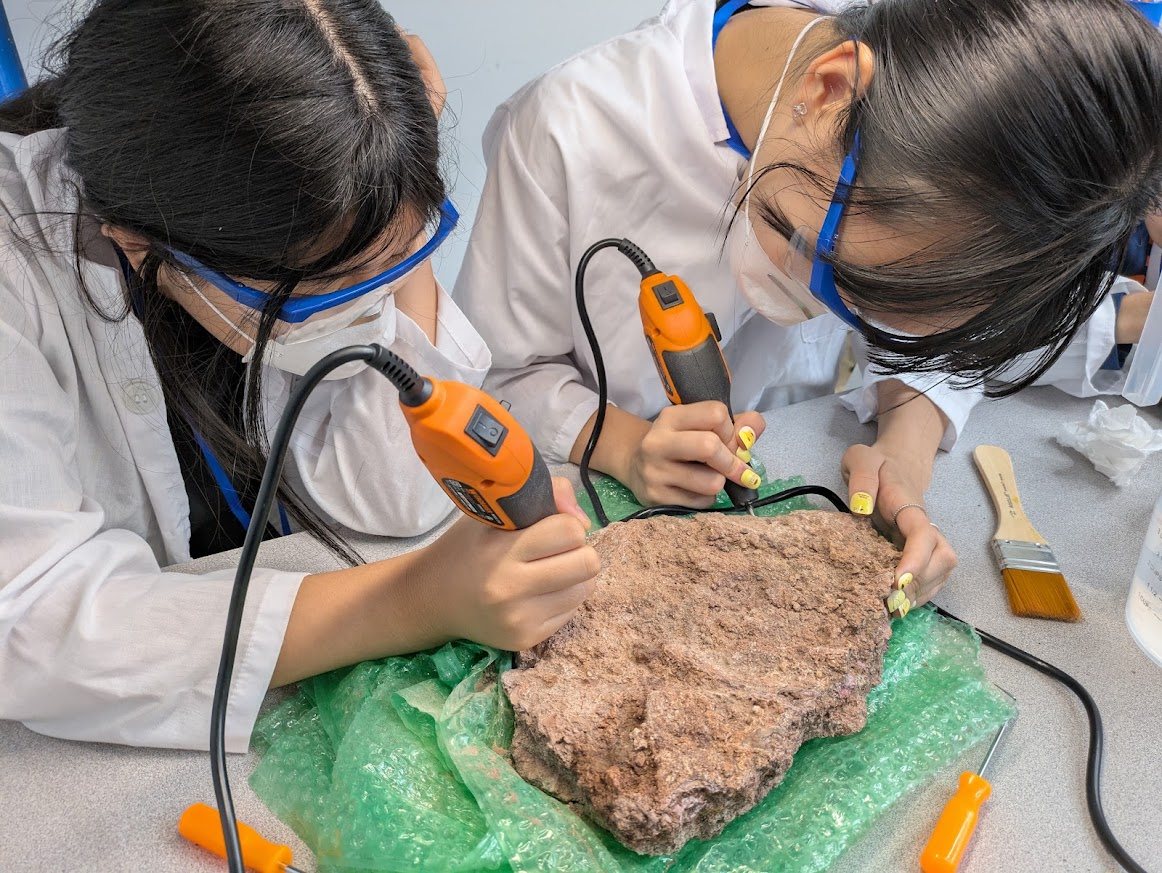
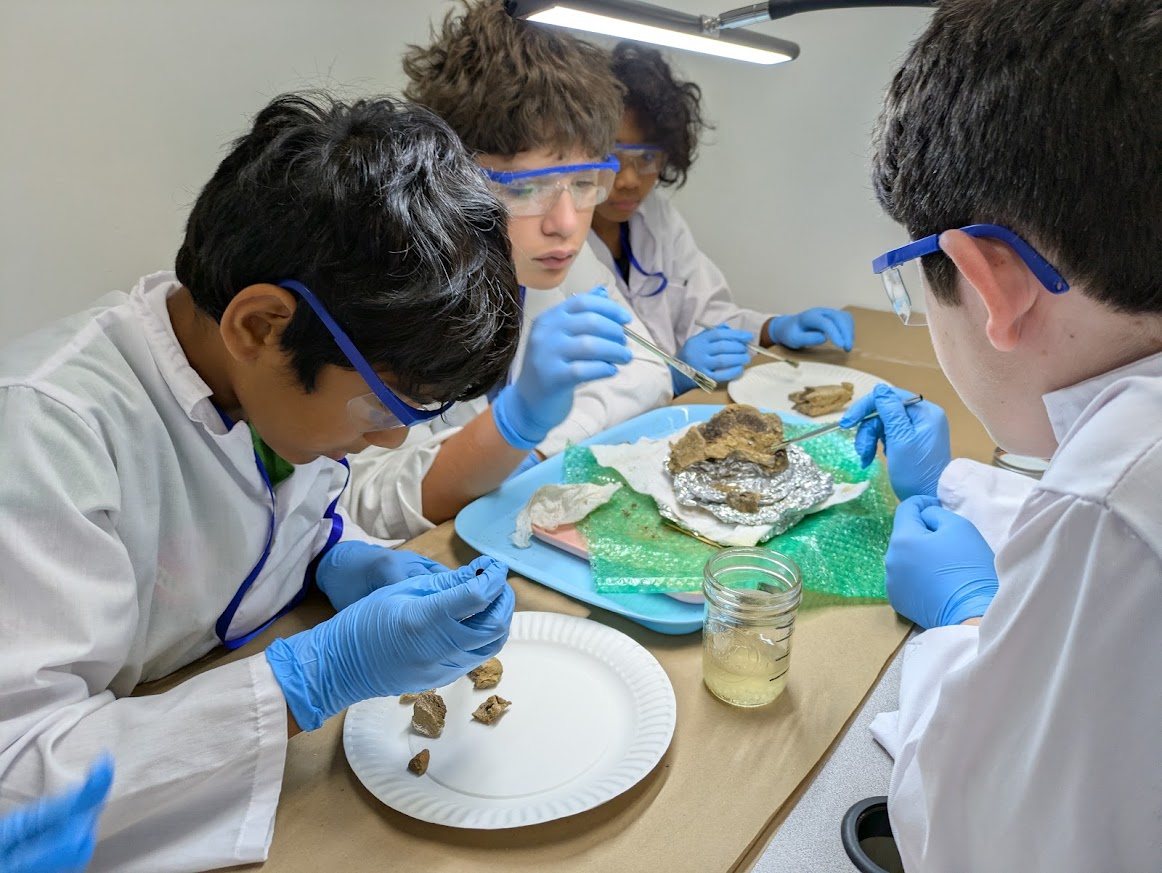
Our most recent paleontology semester centered on a gigantic real sauropod vertebra specimen. Students cleaned, exposed, stabilized and examined the fossil material using careful preparation techniques and real tools.
A real sauropod vertebra · roughly 66 million years old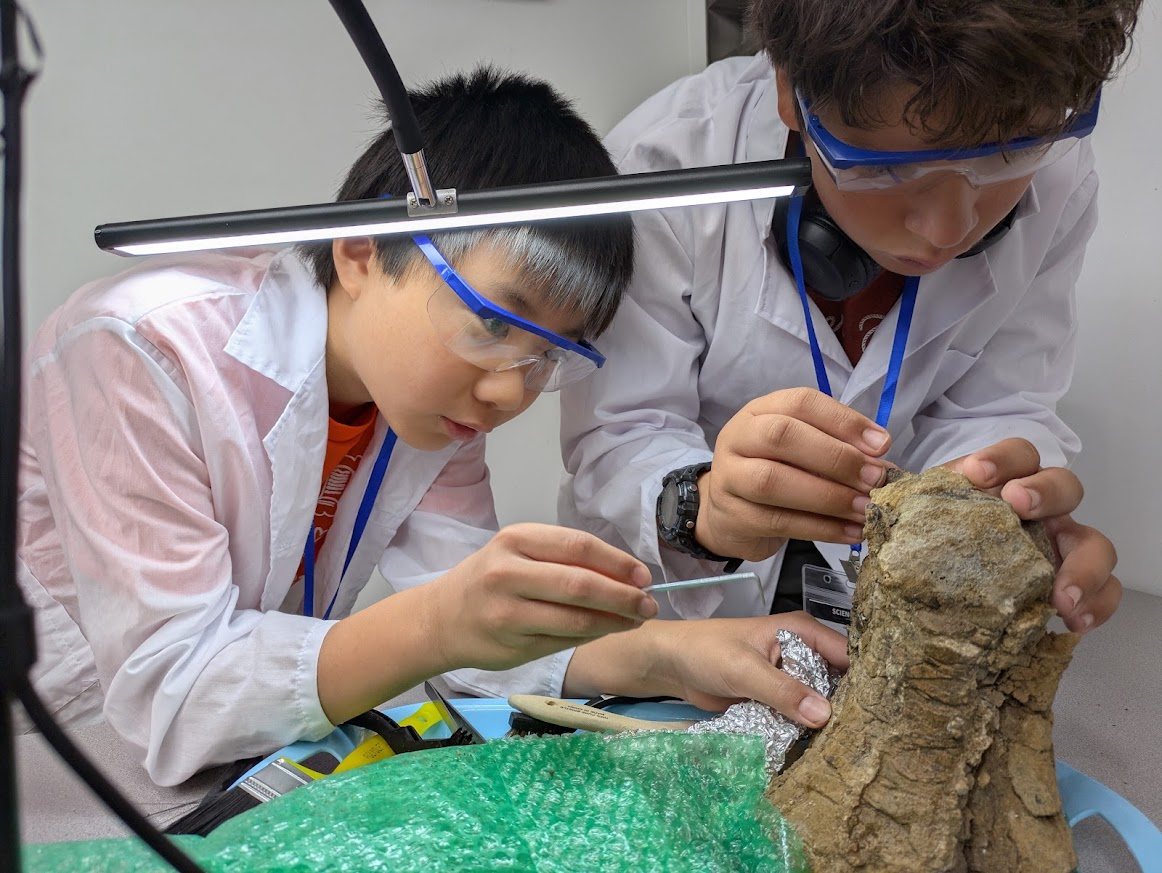 The specimen
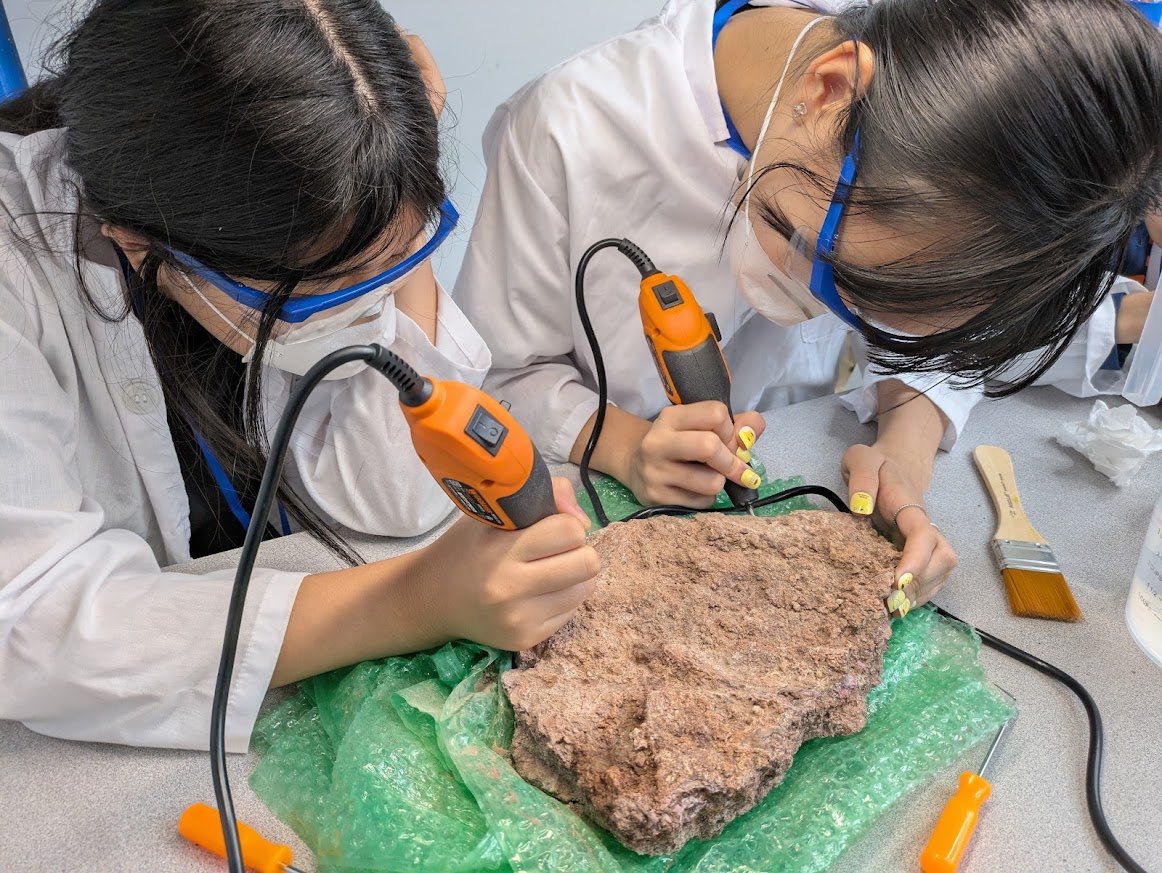 Fine preparation
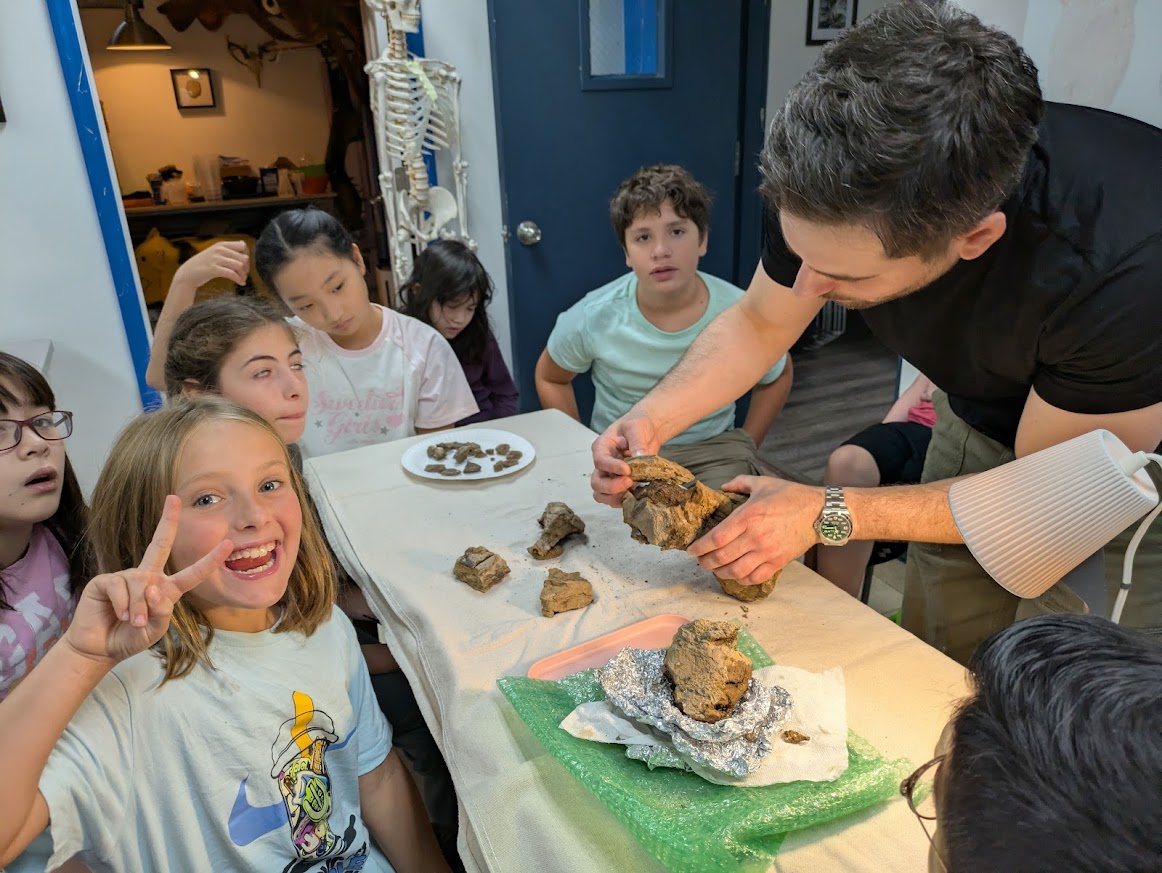 Everybody works
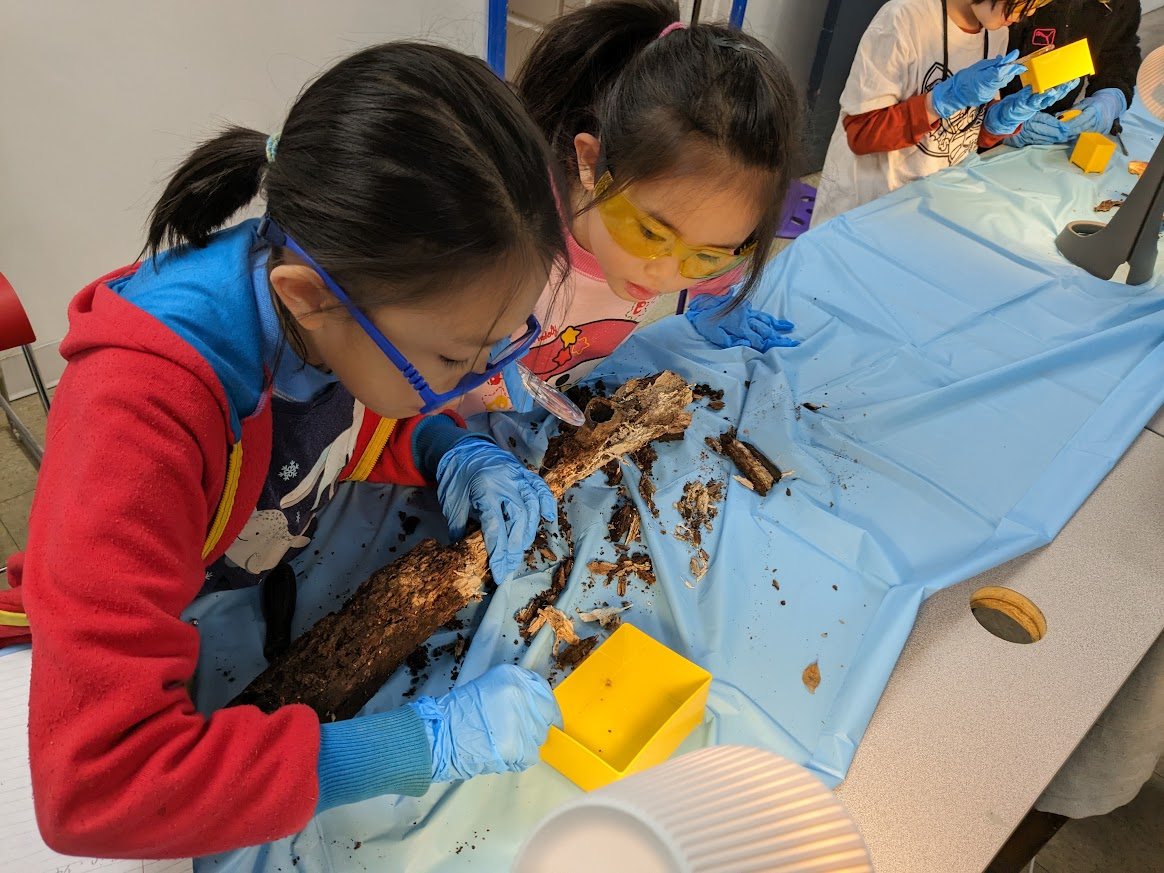
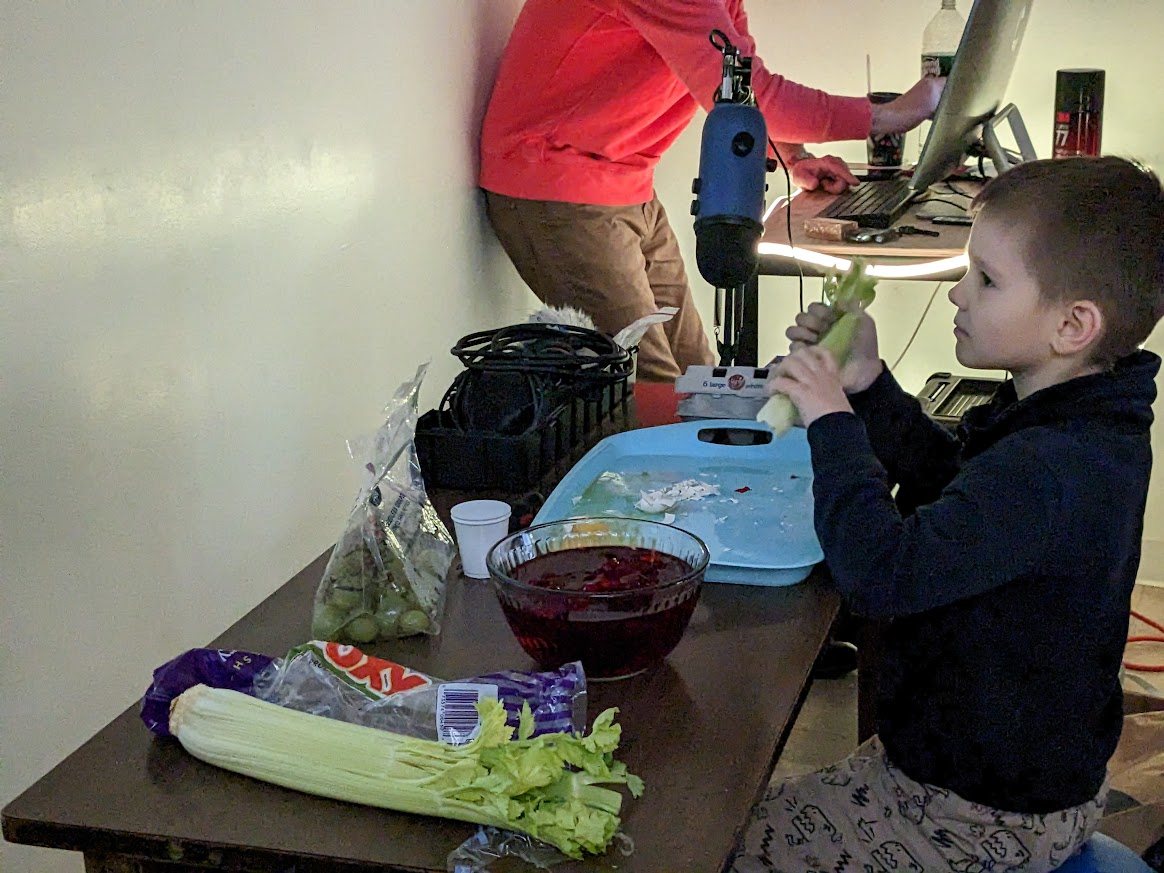
Students measured, mixed, tested, built electrochemical setups and made materials that behaved in ways they could see and feel — with lab coats, goggles and actual bench work.
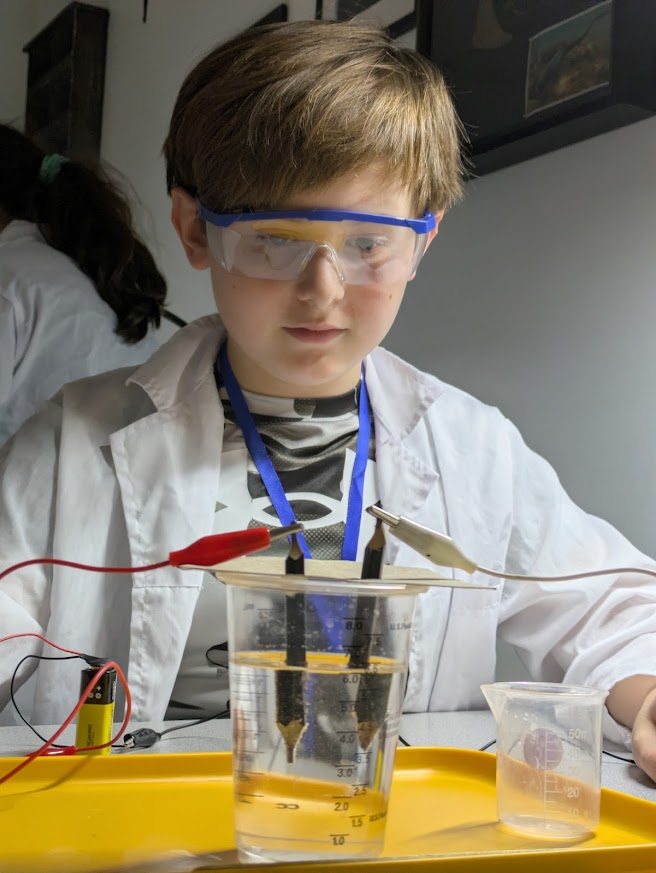
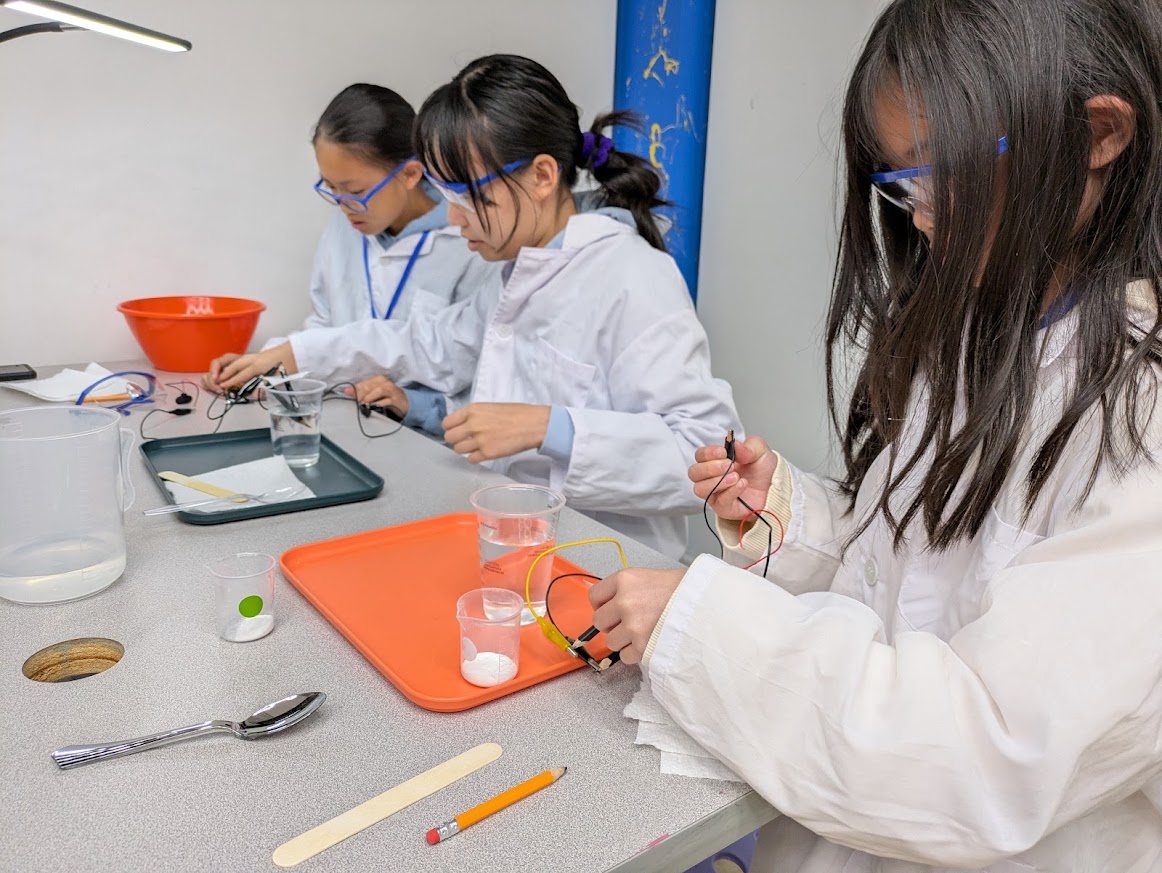
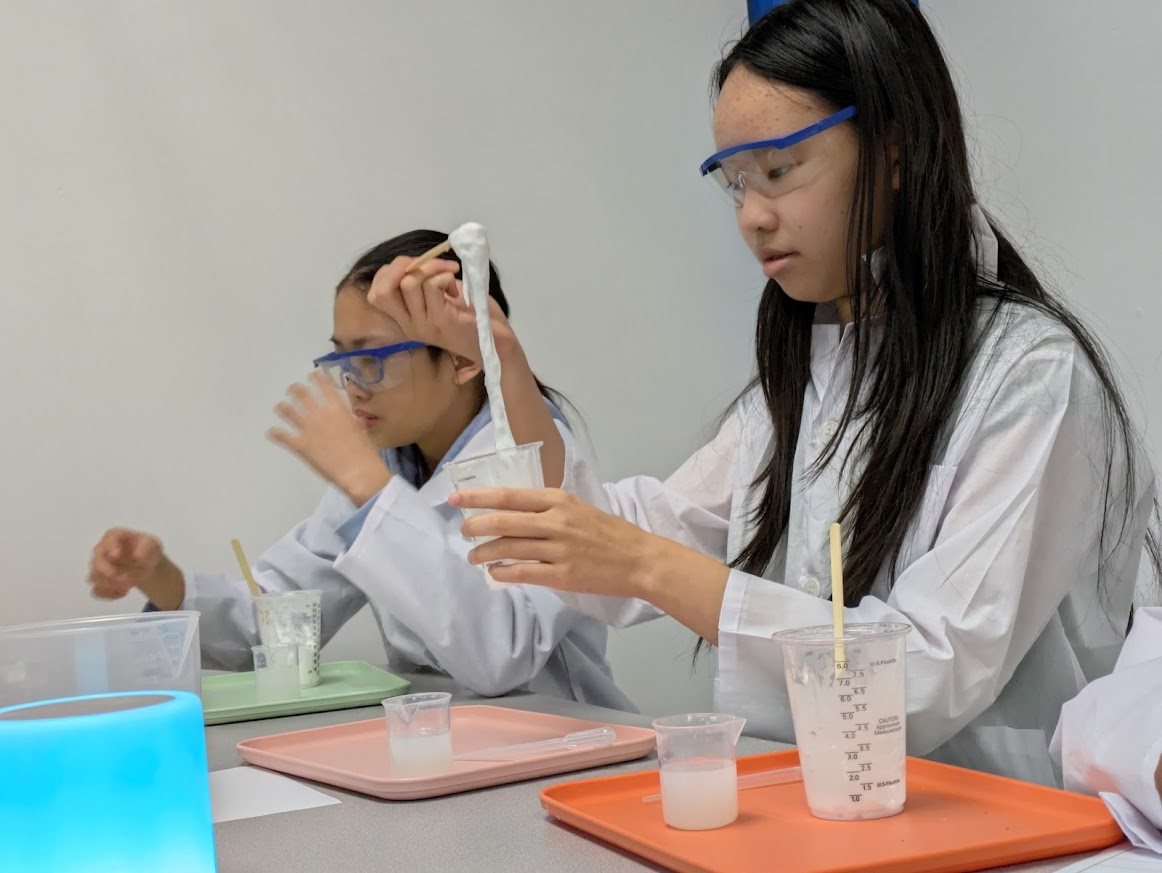
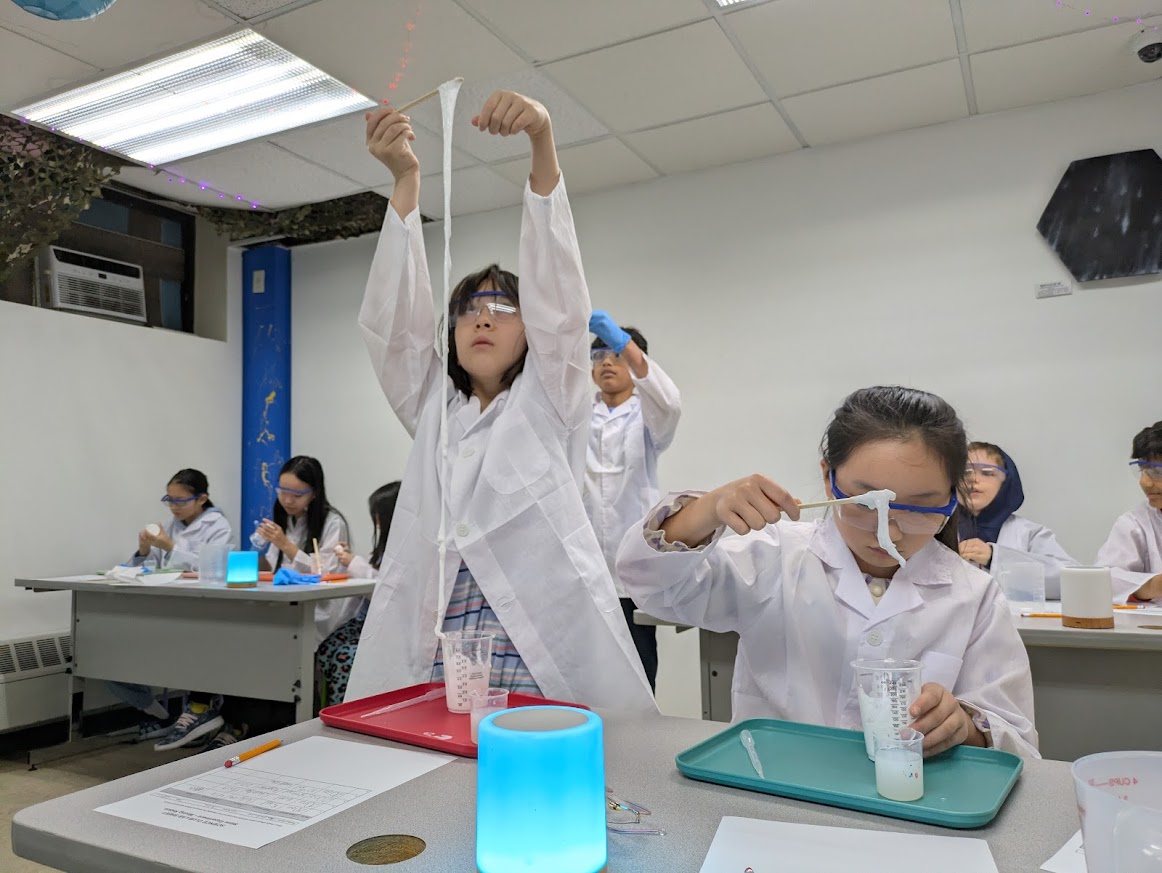
Fall 2026 picks up where Chemistry I left off — another semester built as a continuous story, with the experiments doing the explaining.
Recent work leads the site, but the older semesters matter too. The point is the range: fossils one season, circuits the next, then space, filmmaking, field work or something none of us has tried before.
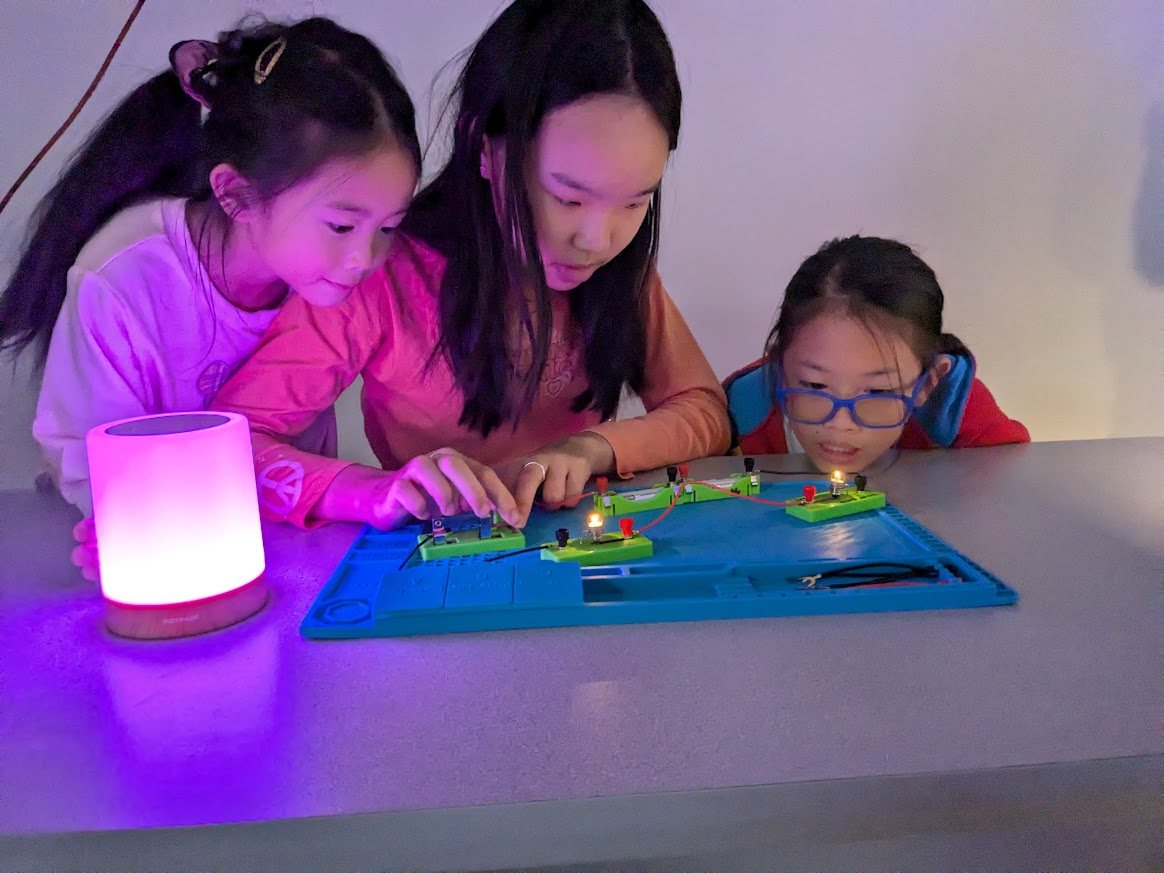
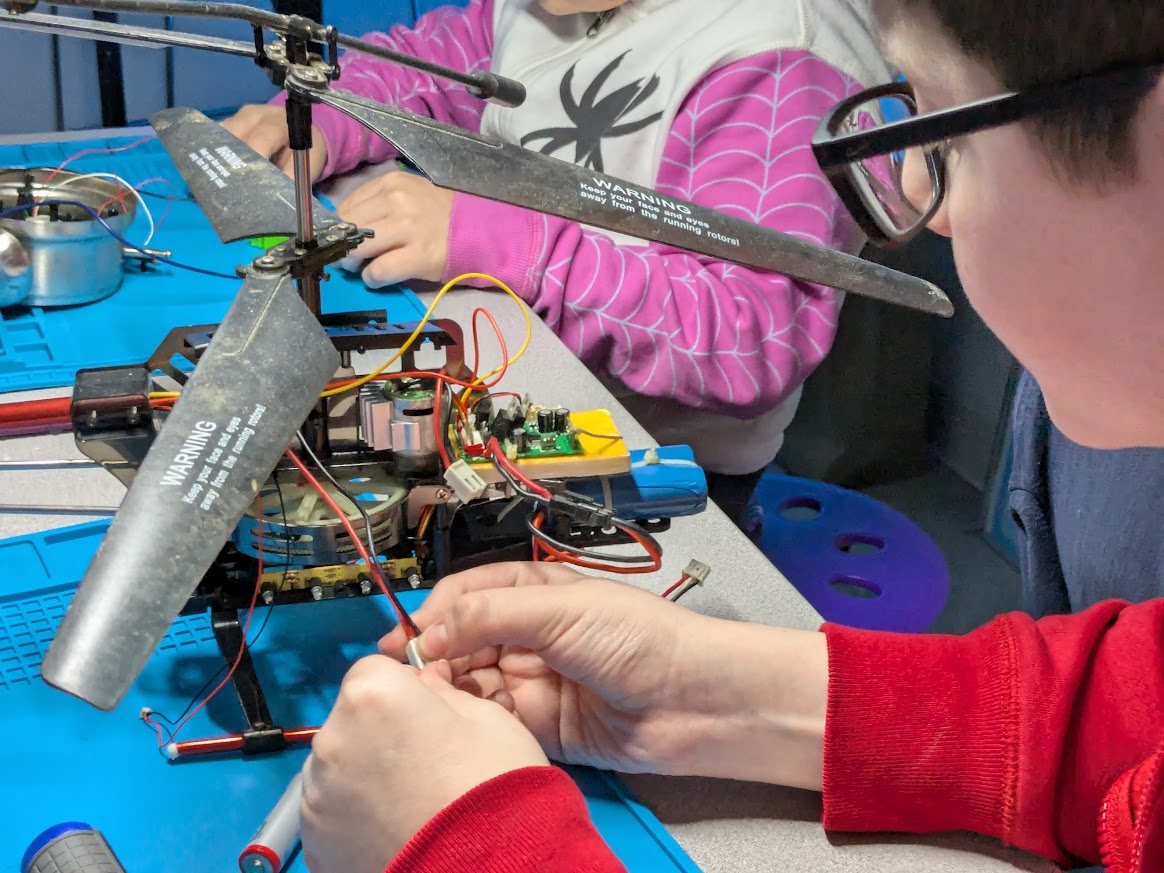
Students built circuits, traced wiring, opened real machines and learned what components are actually doing instead of just snapping together a kit.
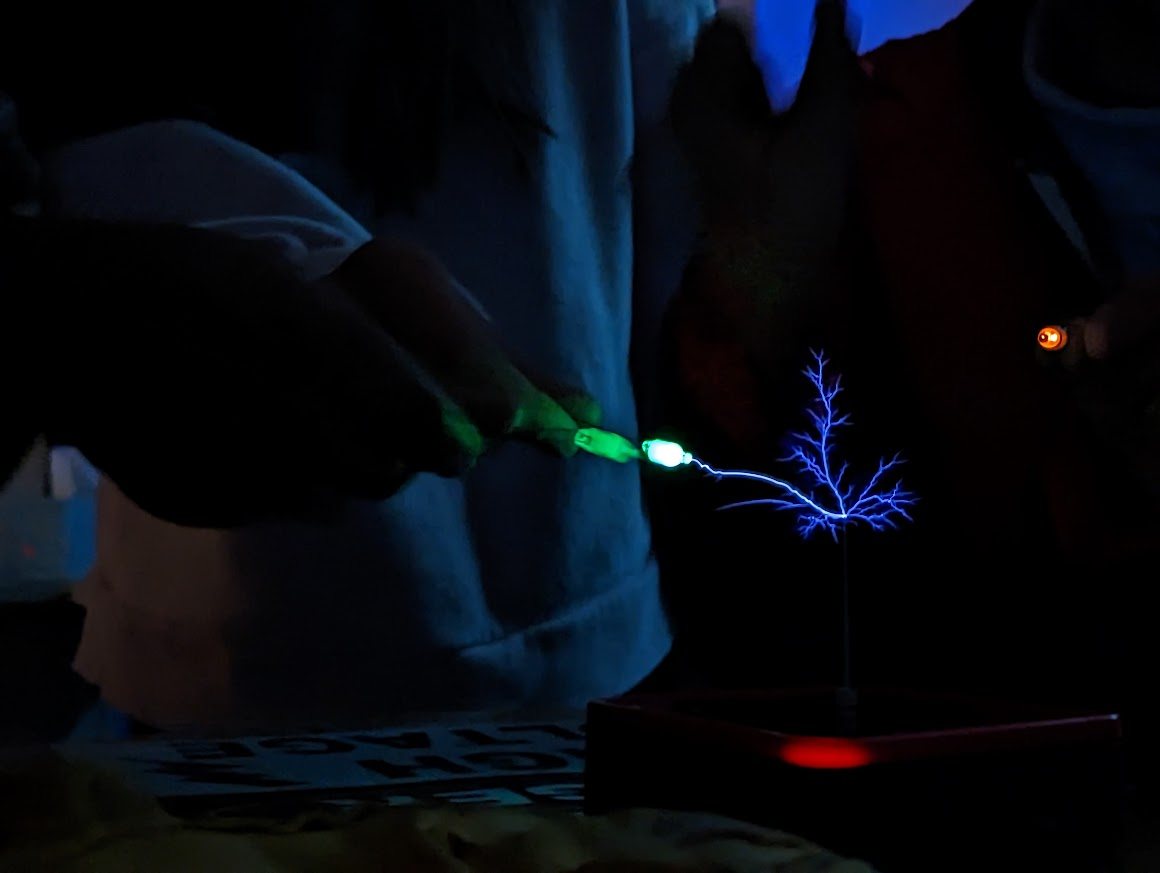
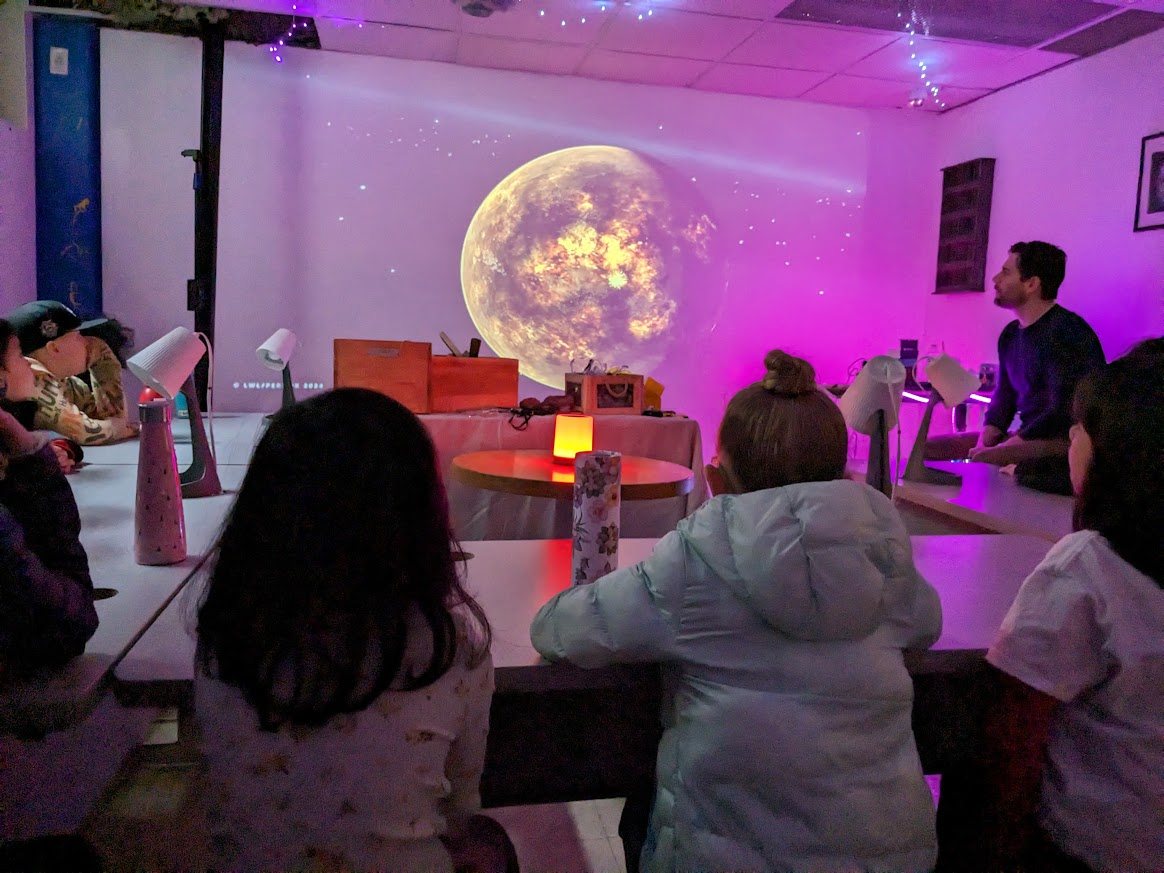
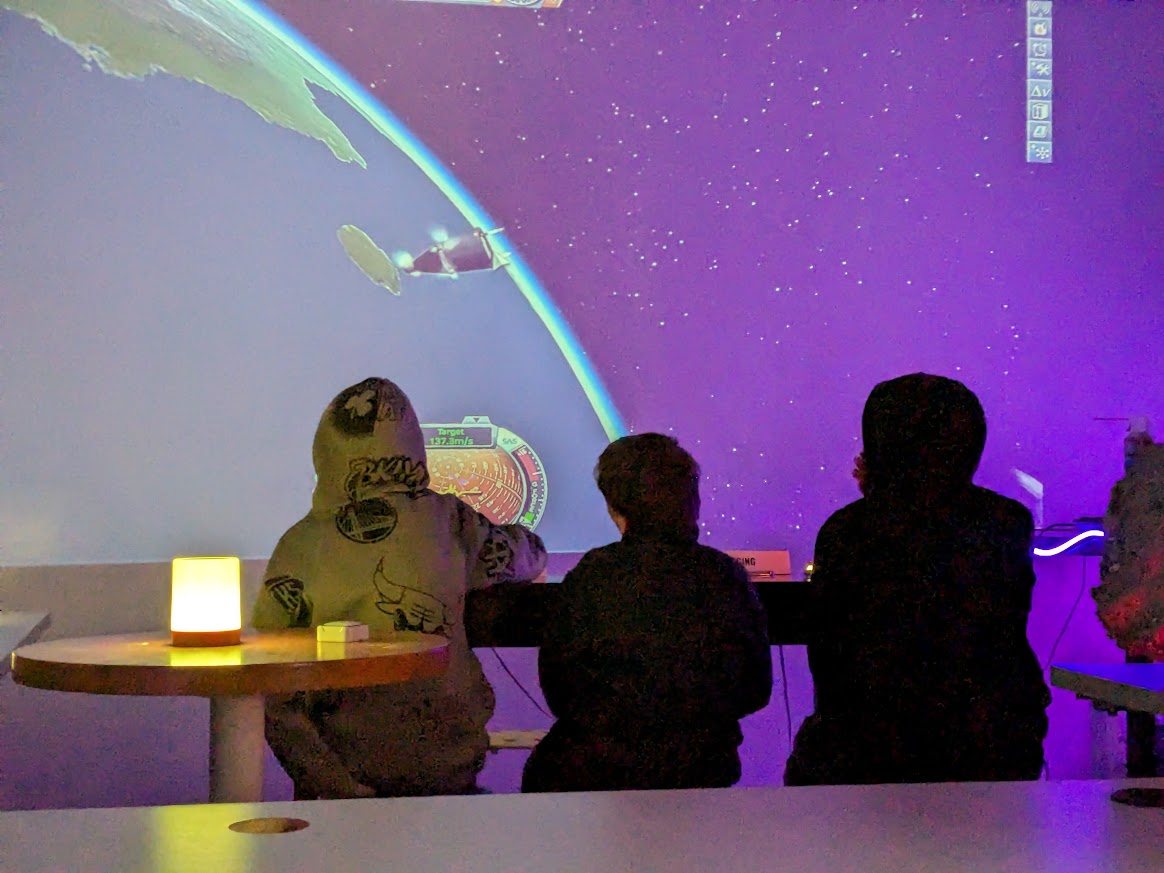
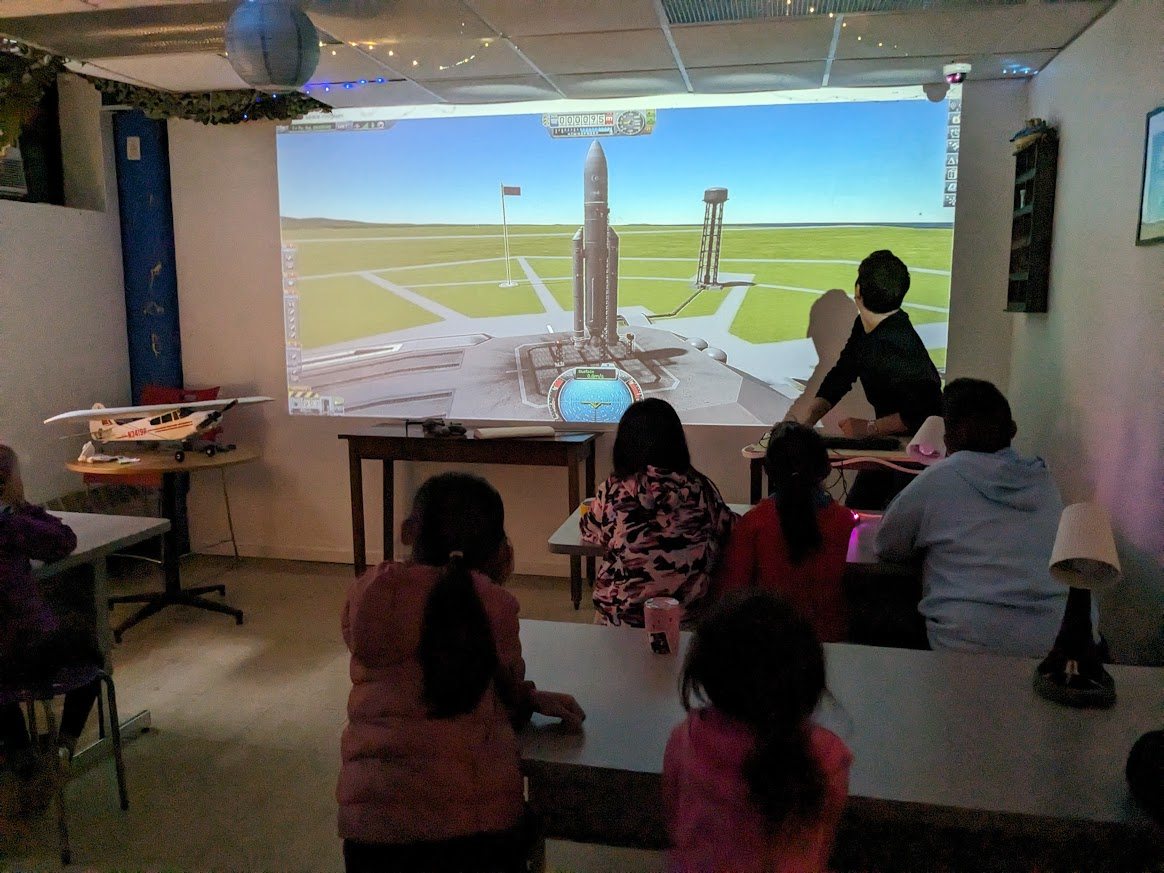
Projection, simulation, models and lighting let students step into orbital mechanics and flight instead of only looking at diagrams on a page.
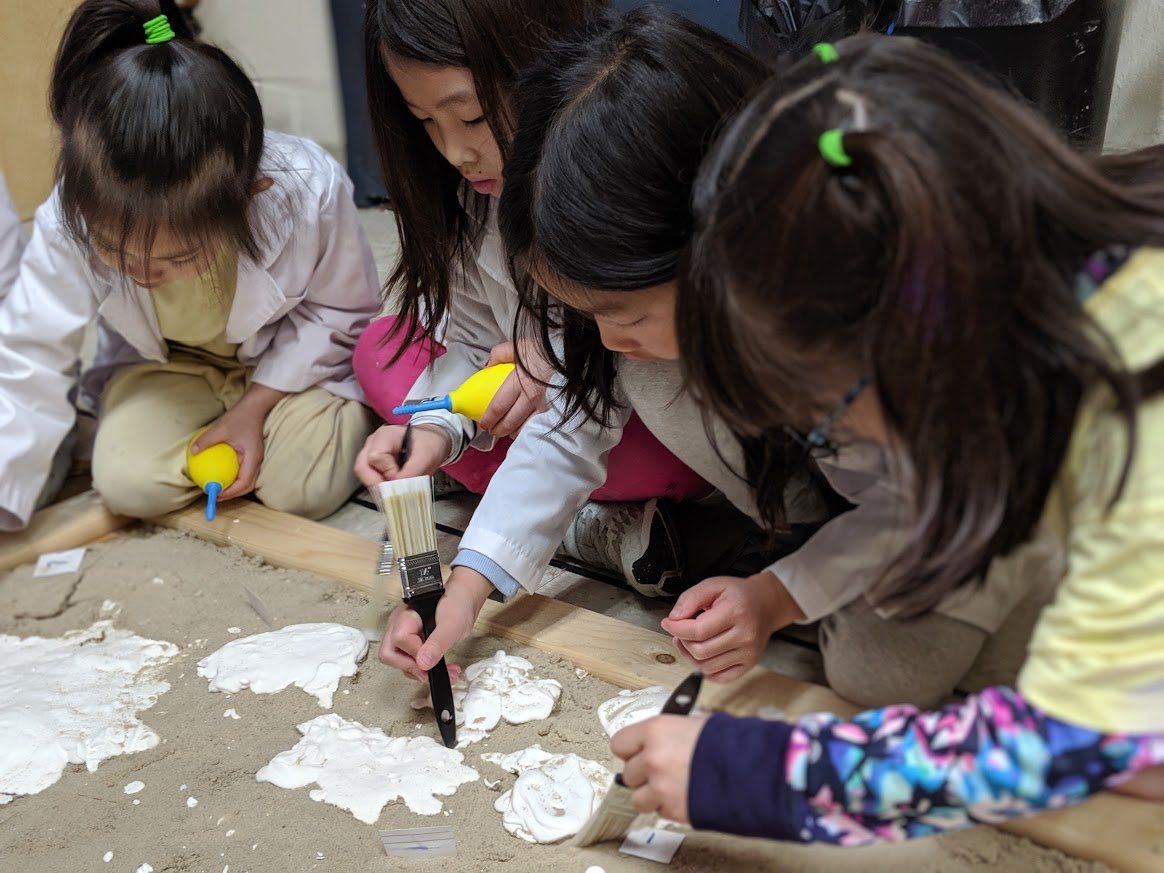
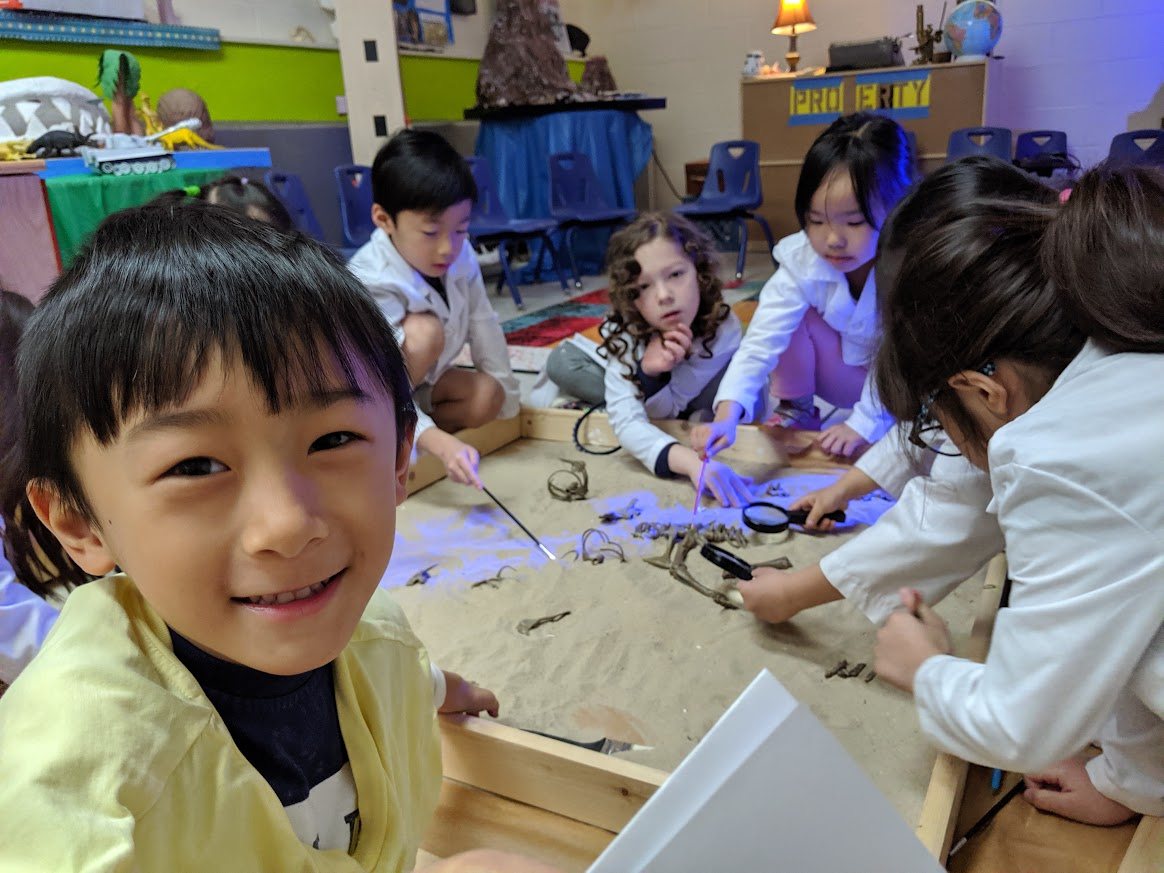
Students have excavated, cleaned, examined and prepared prehistoric material across multiple semesters — from early dig-table work to increasingly serious fossil preparation.
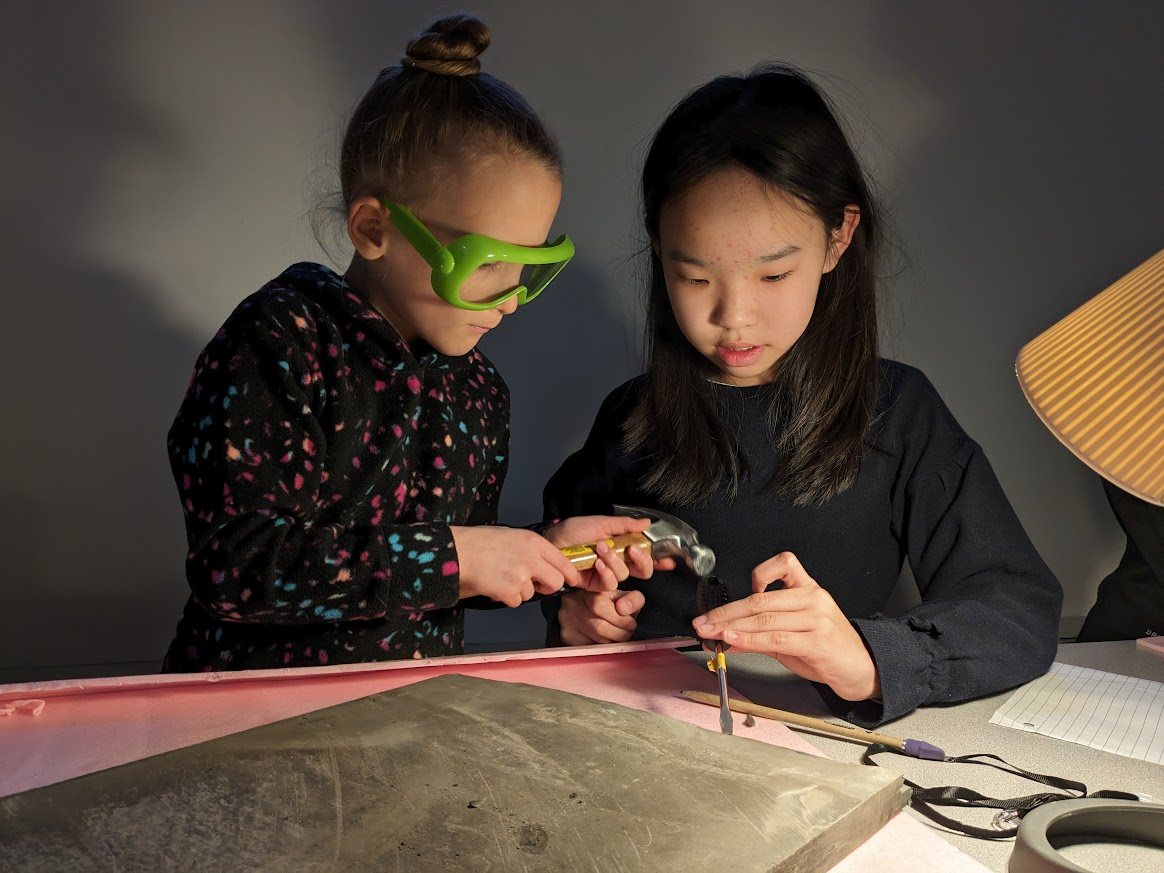
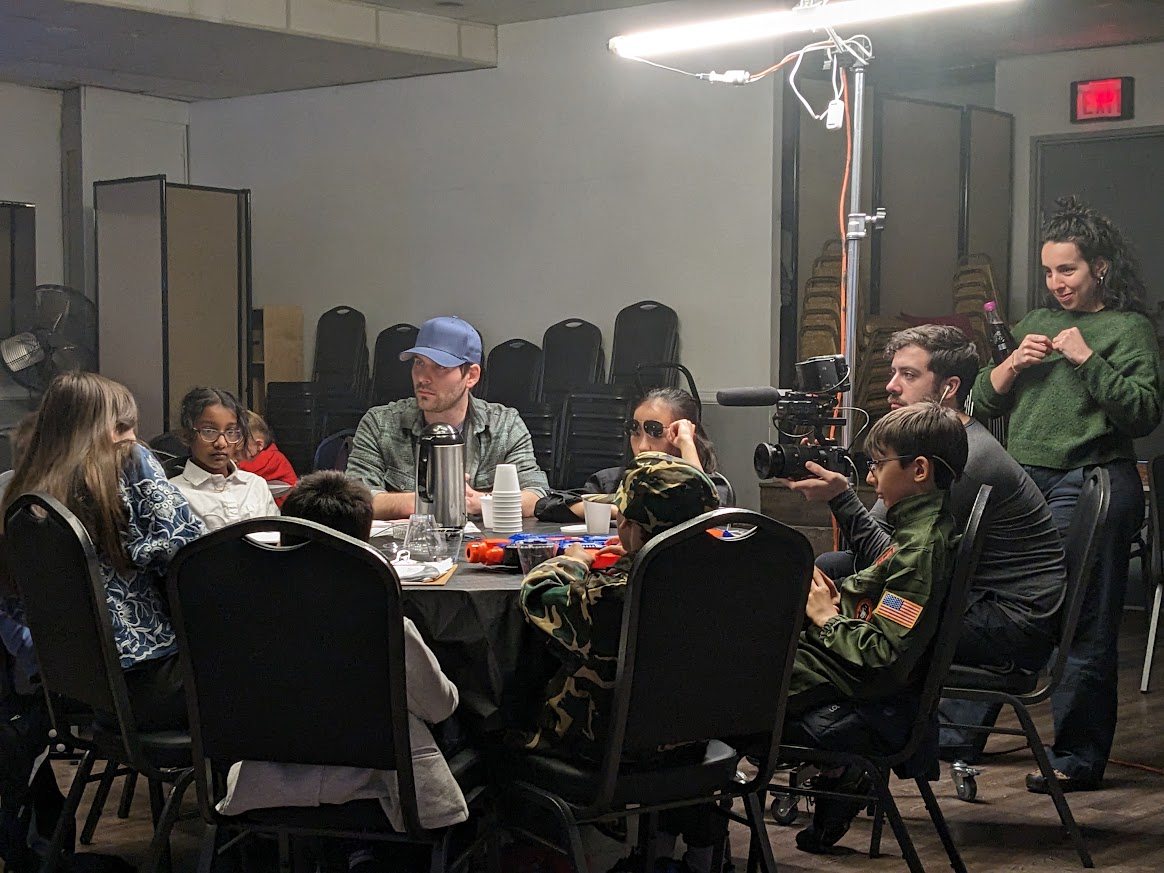
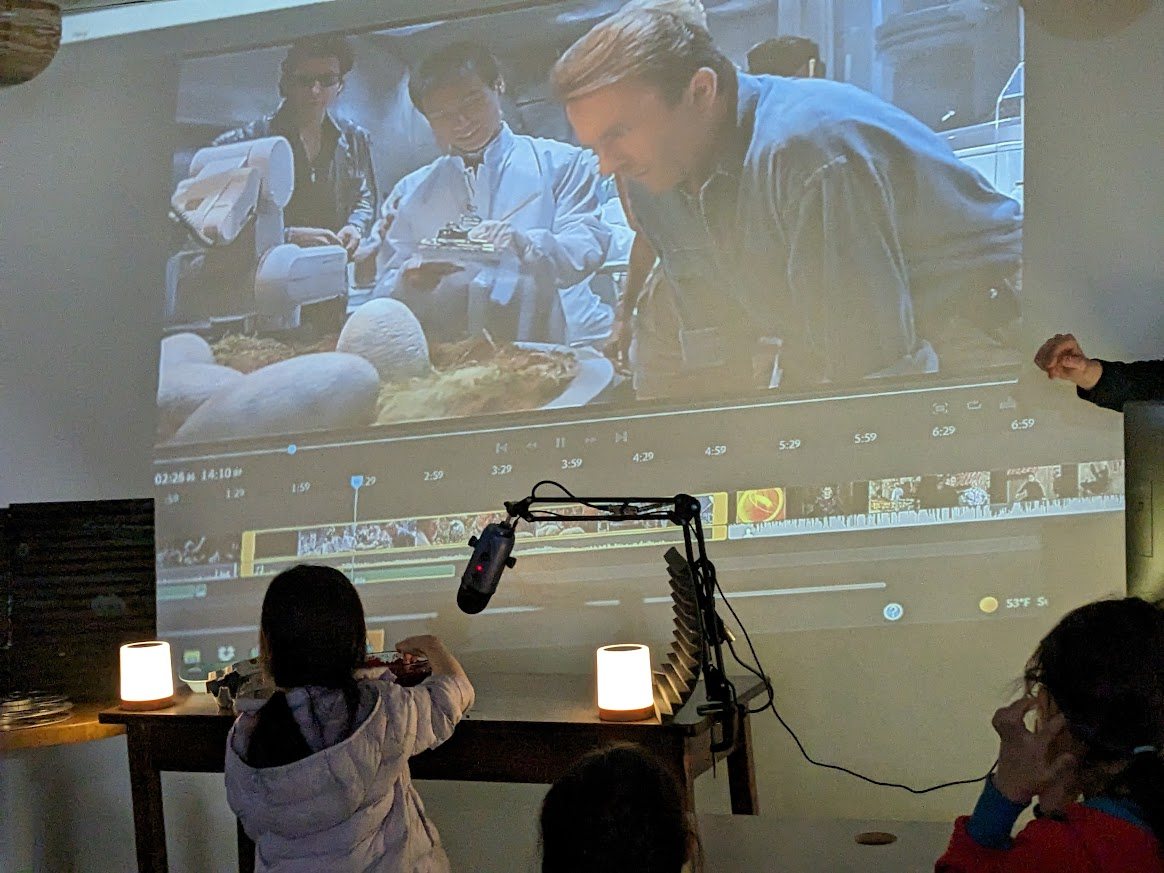
The filmmaking semester moved from the invisible parts of movies — Foley, sound and editing — into an actual shoot. Students acted, handled props and sound, watched camera work happen around them and saw how separate pieces become a finished movie.
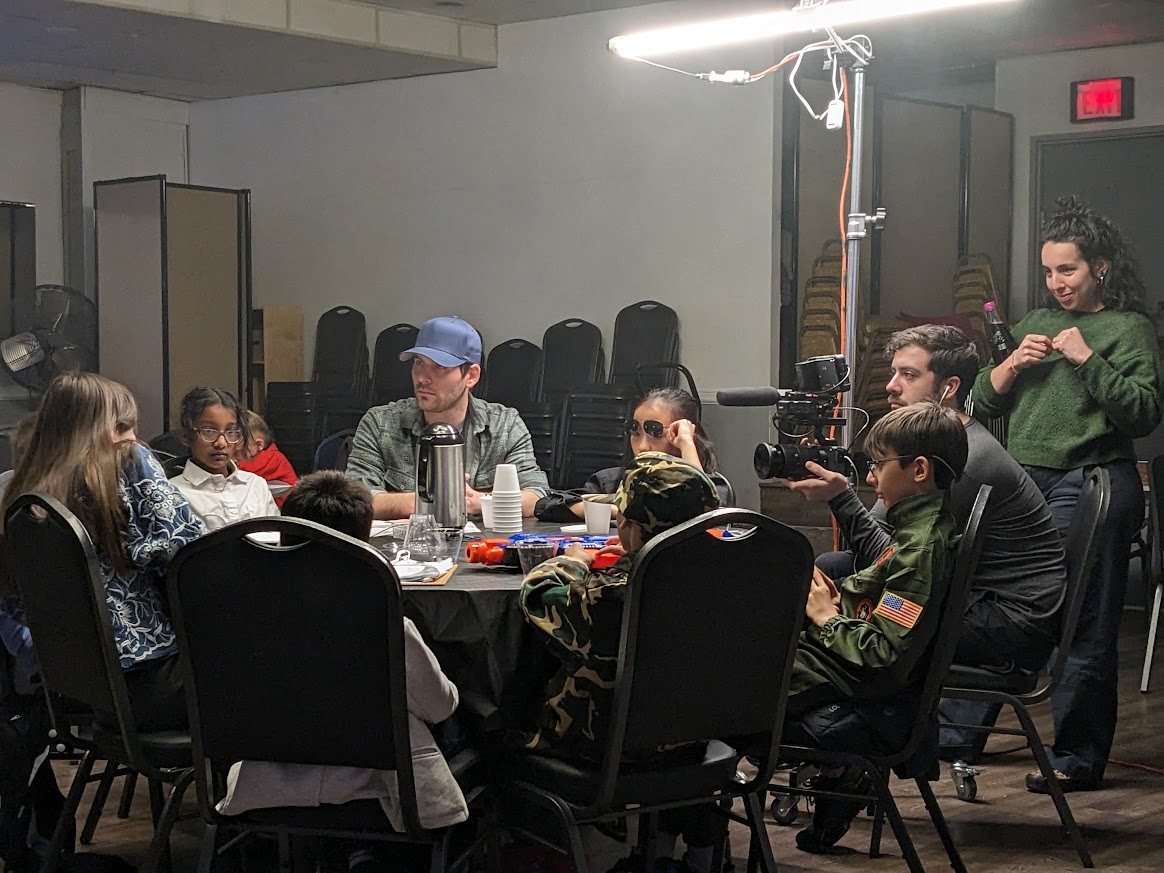
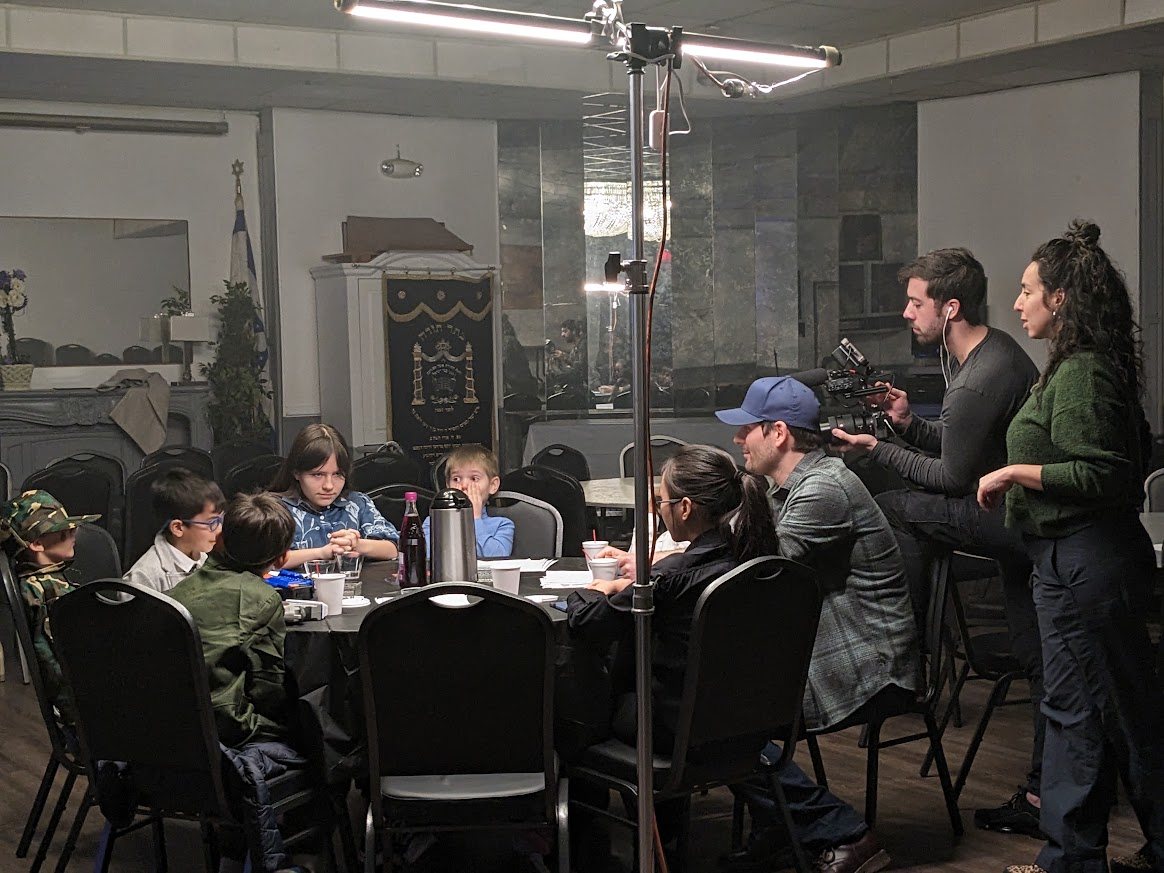
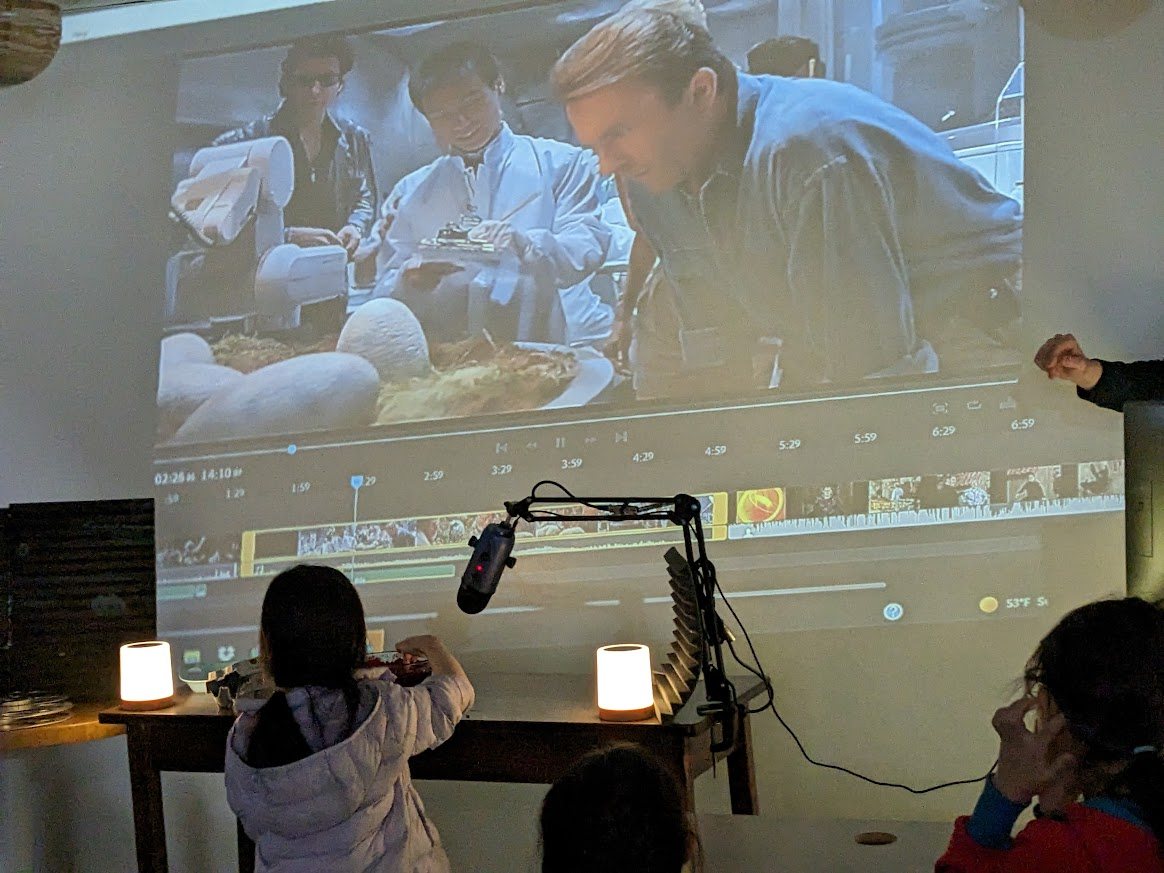
The club is closer to a workshop than a standard classroom. Projectors, work lights, artifacts, tools, props and half-finished builds come and go depending on what the semester needs.
If your child is the one who needs to touch it, question it, take it apart or go deeper than the worksheet allows, come visit the room and try a class.